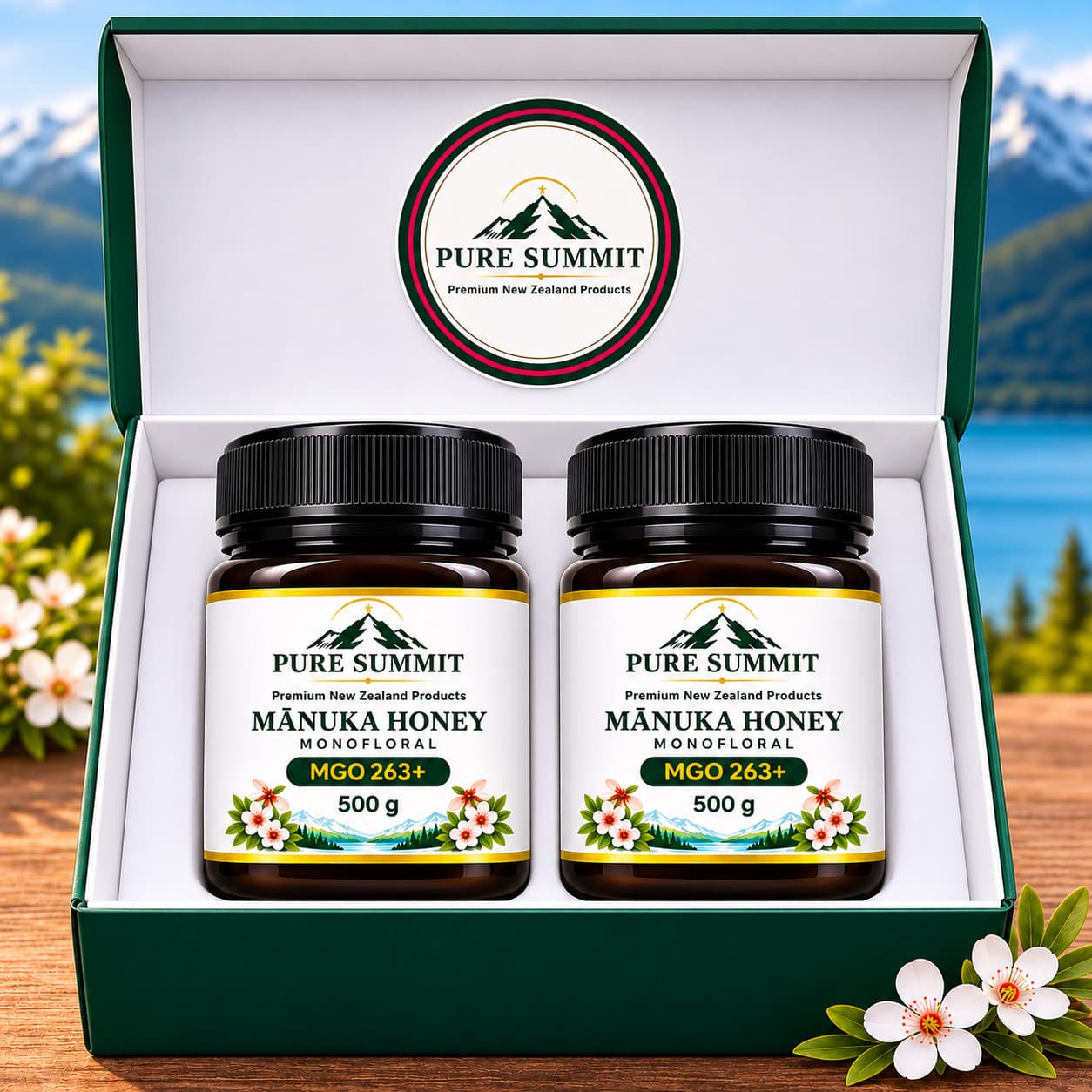
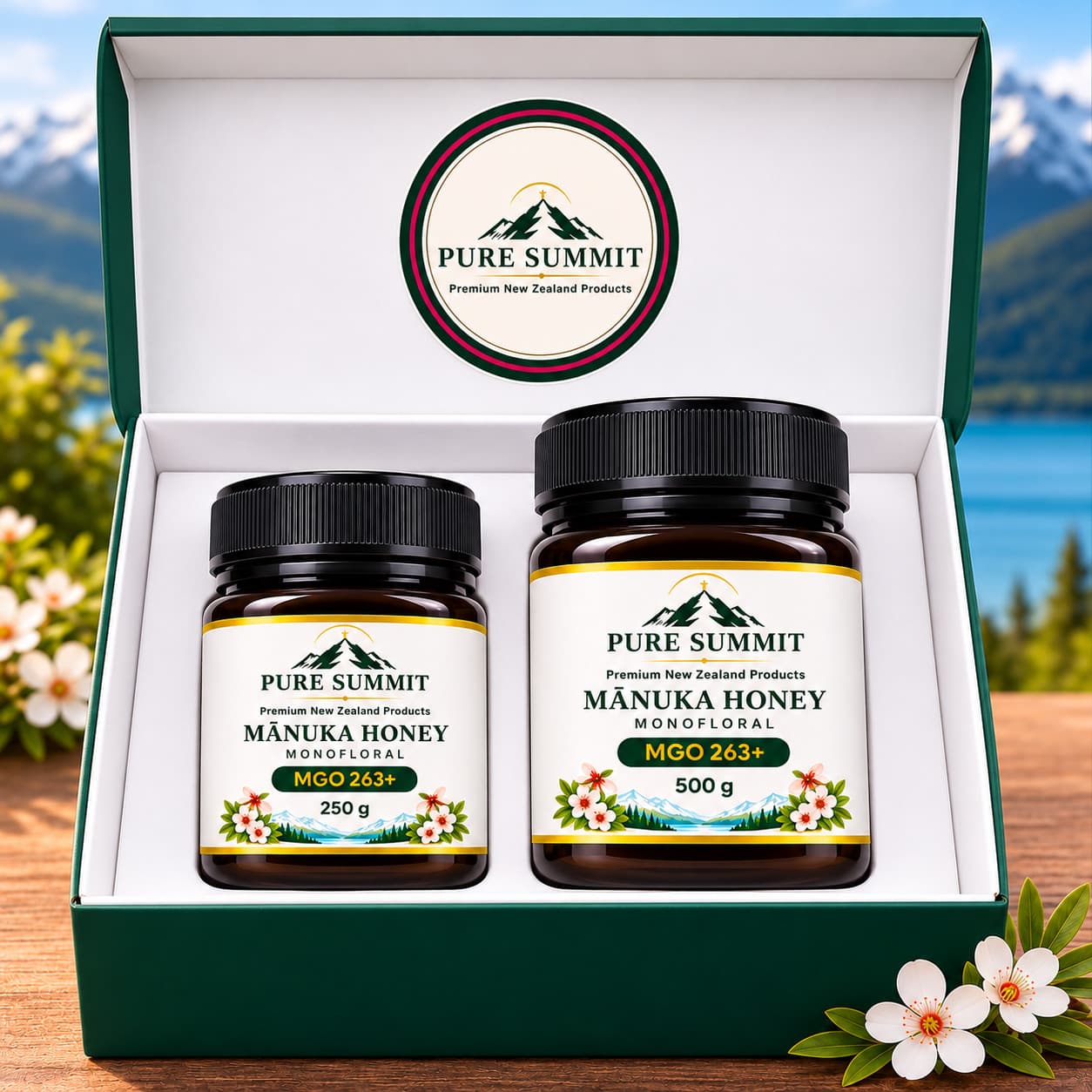
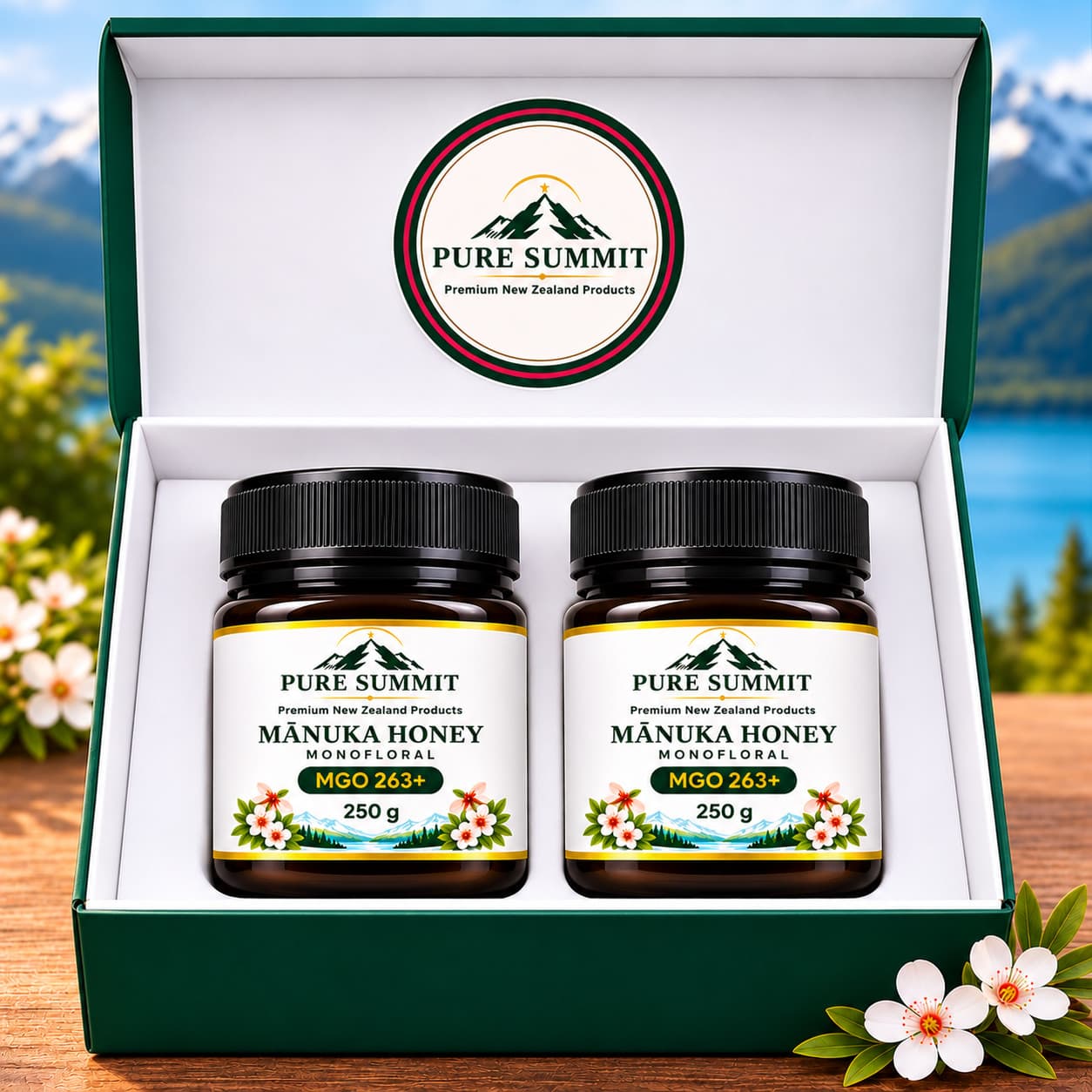
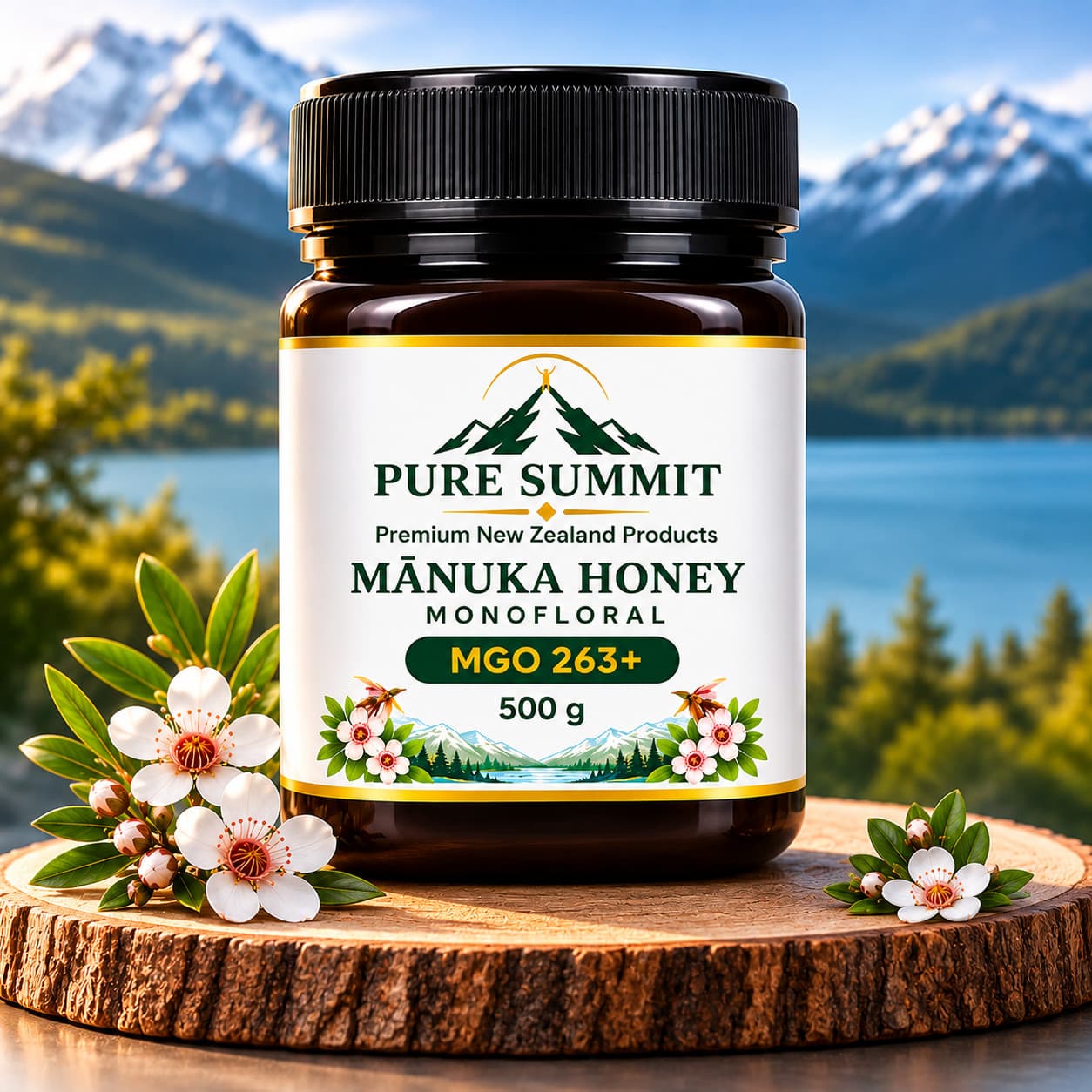
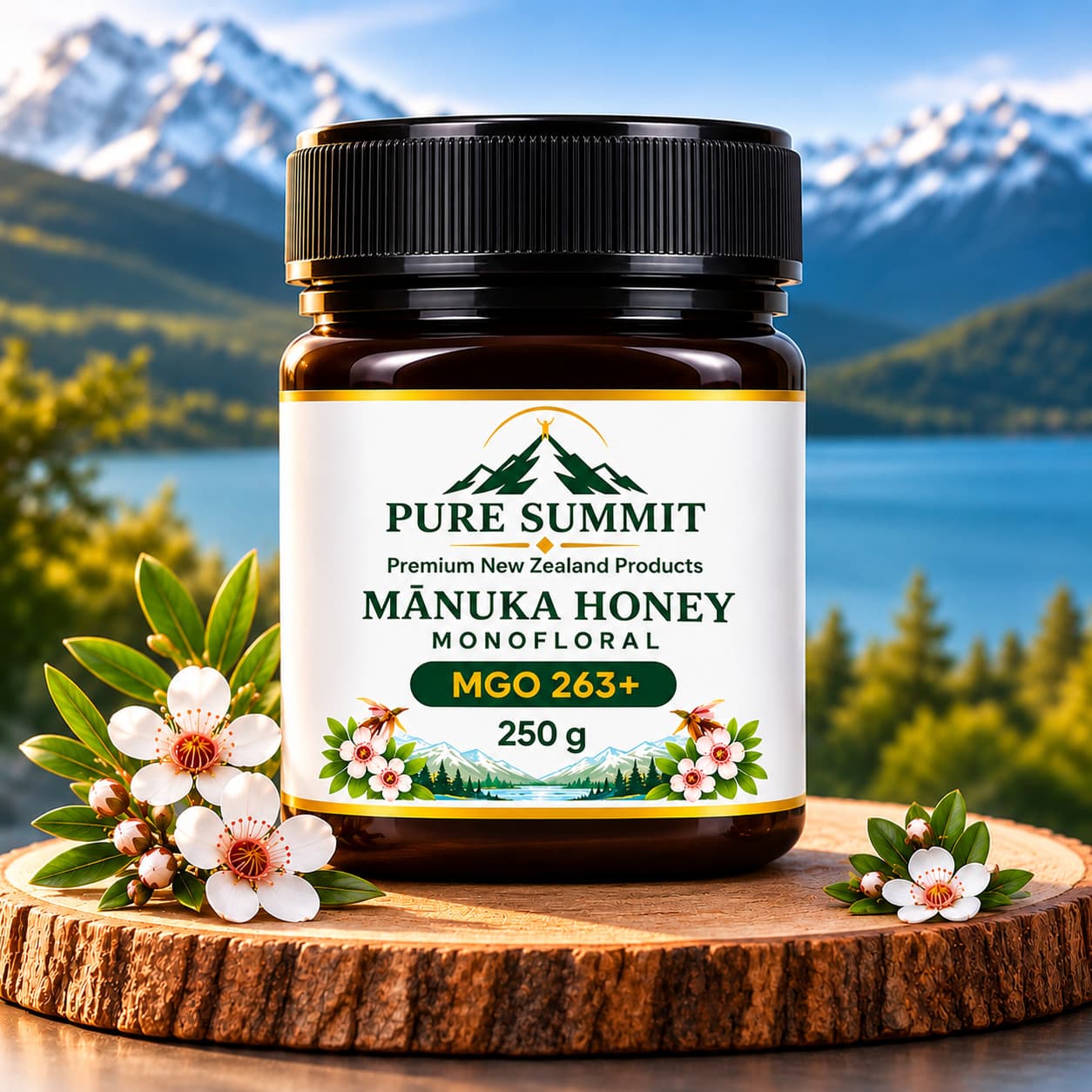
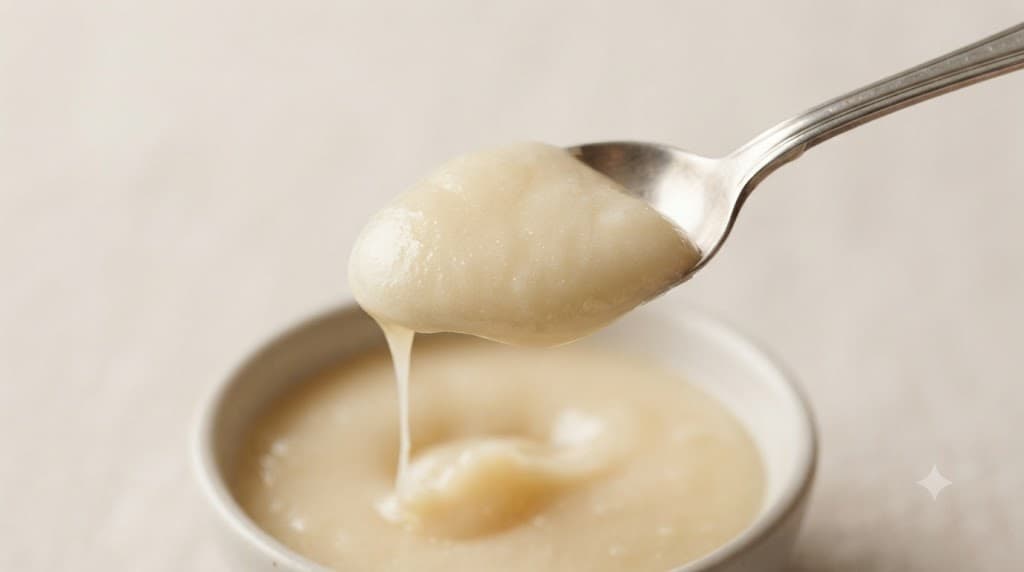
Smooth, spreadable Manuka honey sourced in New Zealand. Every jar carries an MGO 263+ grade, confirmed by our supplier's certificate of analysis.
One honey, MGO 263+, in every size we stock.
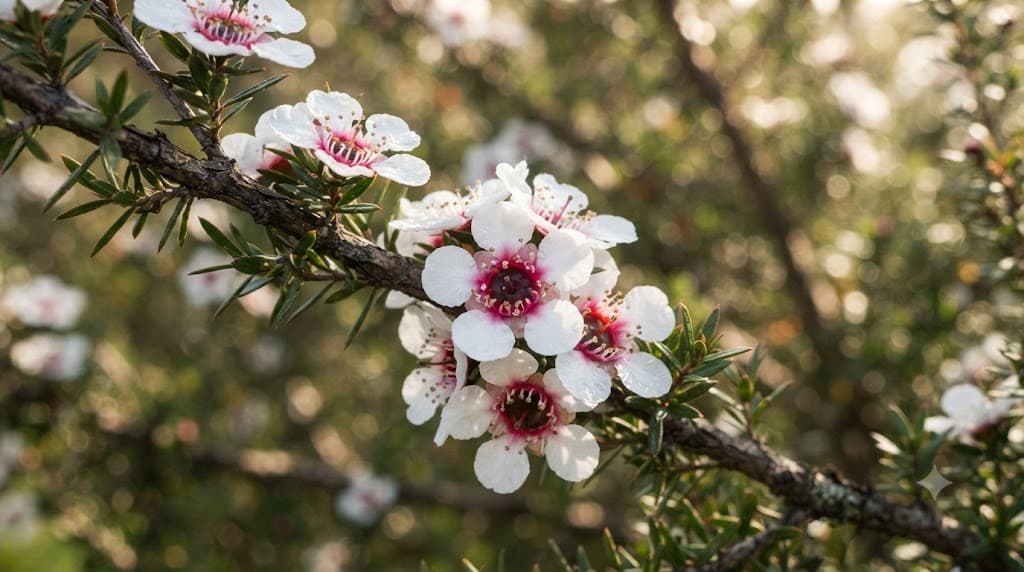
Manuka honey comes from the nectar of the native Manuka tree, found only in New Zealand and parts of Australia. It is graded on MGO - the concentration of methylglyoxal, the chemical marker used to grade Manuka honey - measured in milligrams per kilogram. Manuka flowers for only a few weeks a year, which is why it is produced in far smaller volumes than everyday table honey. Our honey is New Zealand Manuka, graded MGO 263+ and confirmed by the supplier's certificate of analysis.
Five steps, one short season - the path Manuka honey follows from flower to jar.
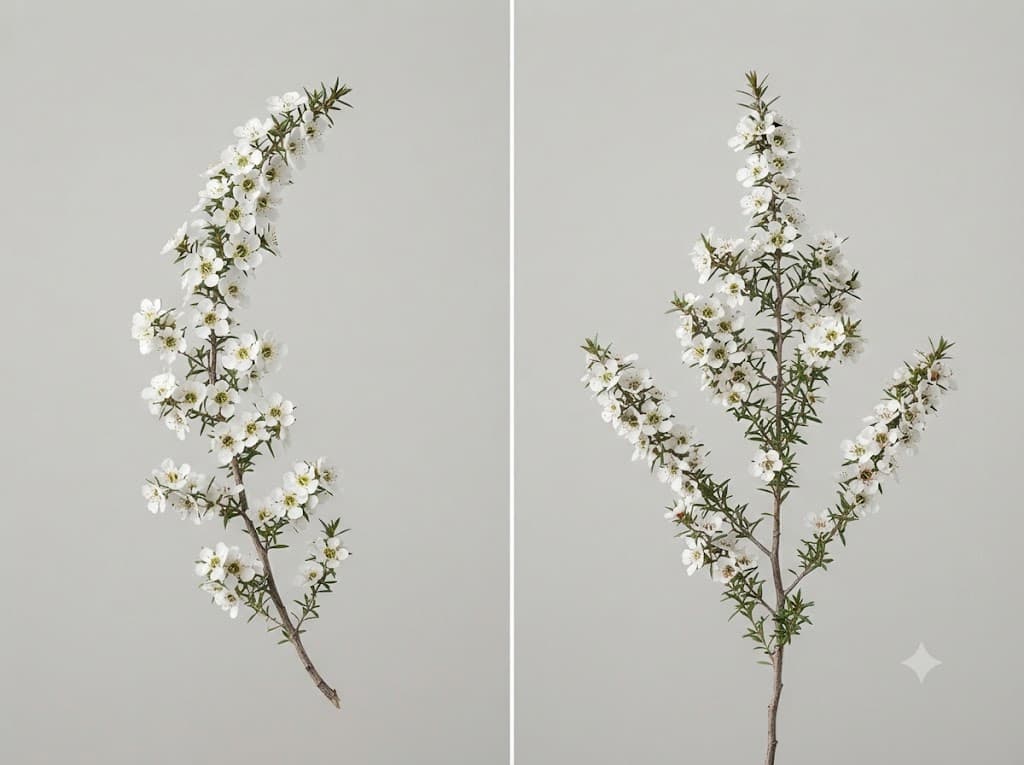
Hives are moved onto Manuka-dense country in the weeks before the flowers open.
Manuka flowers for just four to six weeks a year - timing decides the whole season.
Honey is taken off the frames and left to settle before it is graded.
A sample is analysed for methylglyoxal, the chemical marker Manuka honey is graded on.
The honey is filled and sealed into jars, ready to go on the shelf.
MGO is the grading scale for Manuka honey, and it measures one thing: methylglyoxal, a compound that occurs naturally in Manuka honey and is used as the marker for grading it. Every Pure Summit jar is graded MGO 263+, confirmed by the supplier's certificate of analysis.
What MGO Measures
MGO stands for methylglyoxal, a compound that occurs naturally in Manuka honey and is used as the chemical marker for grading it. Unlike vaguer 'strength' or 'active' wording, an MGO figure is a literal laboratory measurement: the concentration of methylglyoxal in milligrams per kilogram of honey. It is a unit of measurement and nothing more - there is no proprietary scale sitting between the reading and the number printed on the label.
Why 263+
The '+' matters: MGO 263+ is a floor, not an average. It means at least 263 mg/kg of methylglyoxal was measured for the honey carrying that grade. We carry a single grade across the whole range rather than a ladder of numbers because we stock one honey - the 250g jar, the 500g jar and every value pack hold exactly the same MGO 263+ Manuka honey. The only thing that changes between our products is how much honey you take home.
Where the Grade Comes From
MGO 263+ is not a figure we chose. It is the grade stated on the supplier's certificate of analysis for this honey, which records the measured methylglyoxal concentration behind the number on the label. That is the extent of the claim: MGO is a chemical marker used to grade Manuka honey, and the certificate confirms which grade this honey falls into.
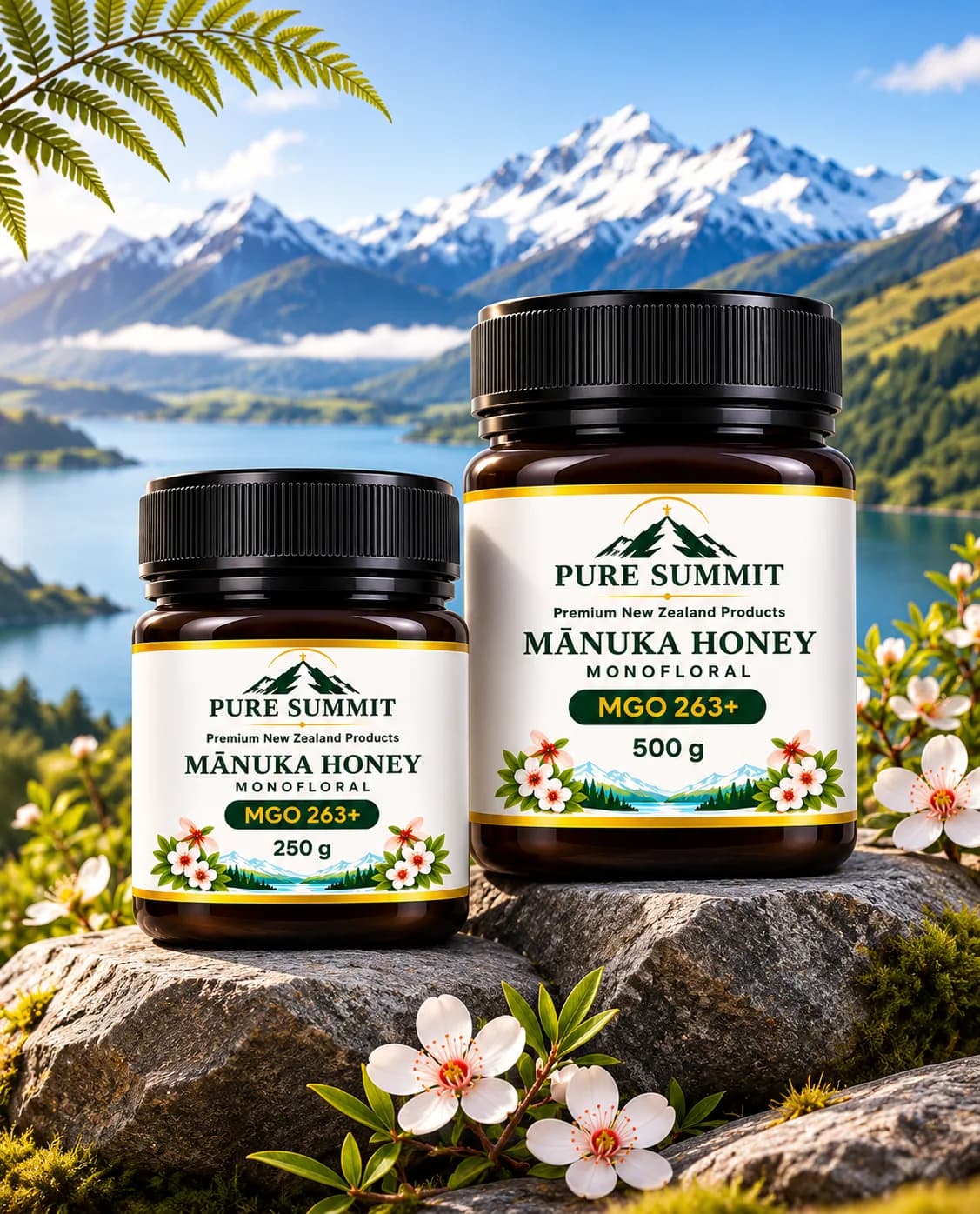
The jars and packs our customers reach for most.
One honey, one grade.
Grading guides, buying advice, and notes on New Zealand Manuka honey.
Everything you need to know before your first order.
Still have questions? Email us
Questions about an order, a product, or stocking Pure Summit in your store - send us a message.
We usually reply within 1 business day.