
MGO vs methylglyoxal vs DHA: which word means what
Methylglyoxal is the compound. MGO is the number on the jar. DHA is what the methylglyoxal formed from. Here is which word means what, and why it matters when you are comparing jars.
Read a few articles about manuka honey and you will meet three words that look like they mean the same thing. MGO vs methylglyoxal vs DHA. Two of them are the same substance. The third is where that substance comes from.
None of this is complicated once the words are separated out. Here is what each one refers to.
MGO vs methylglyoxal: the same compound, two uses of the word
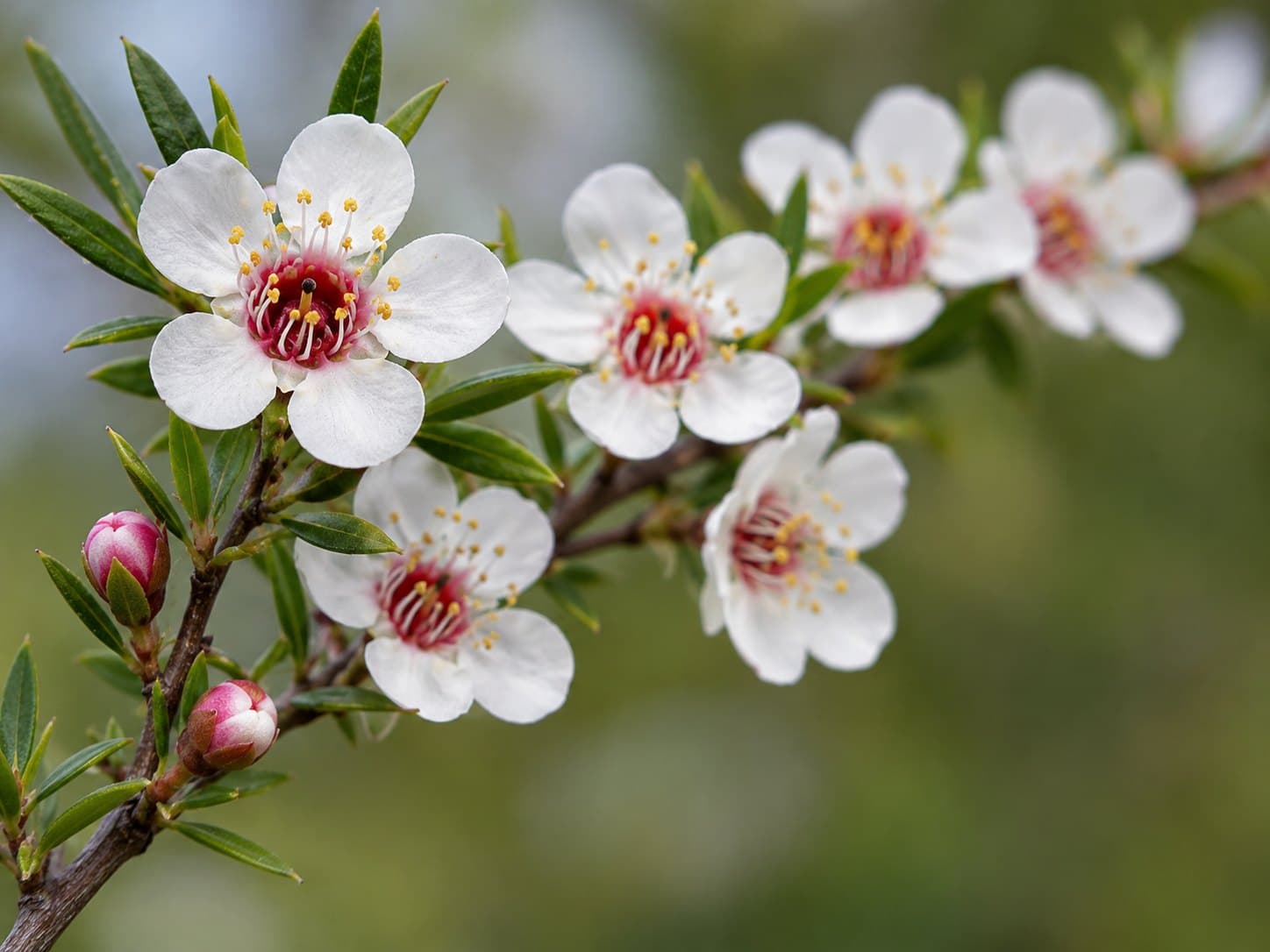
Methylglyoxal is a compound. It occurs naturally in manuka honey.
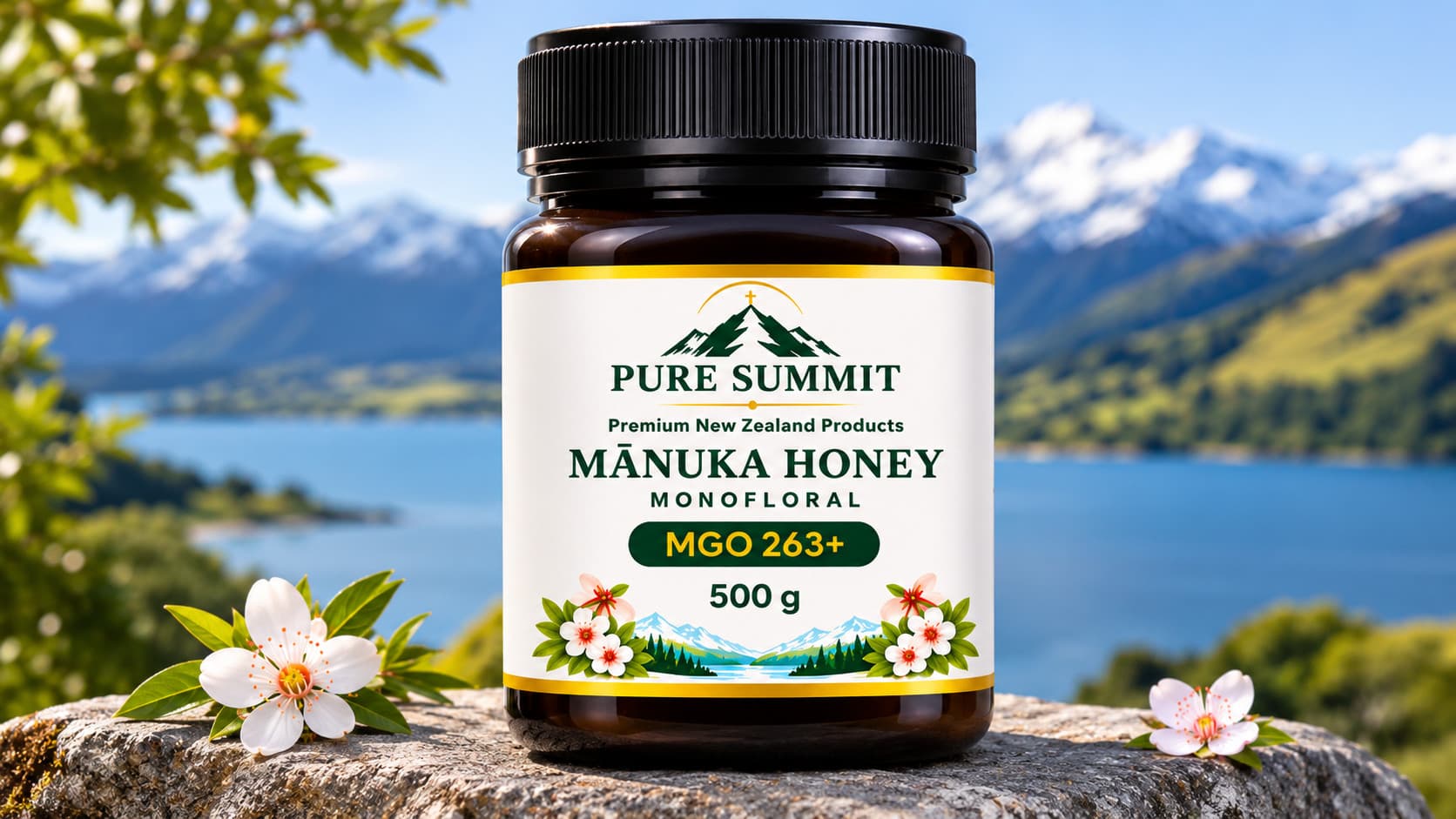
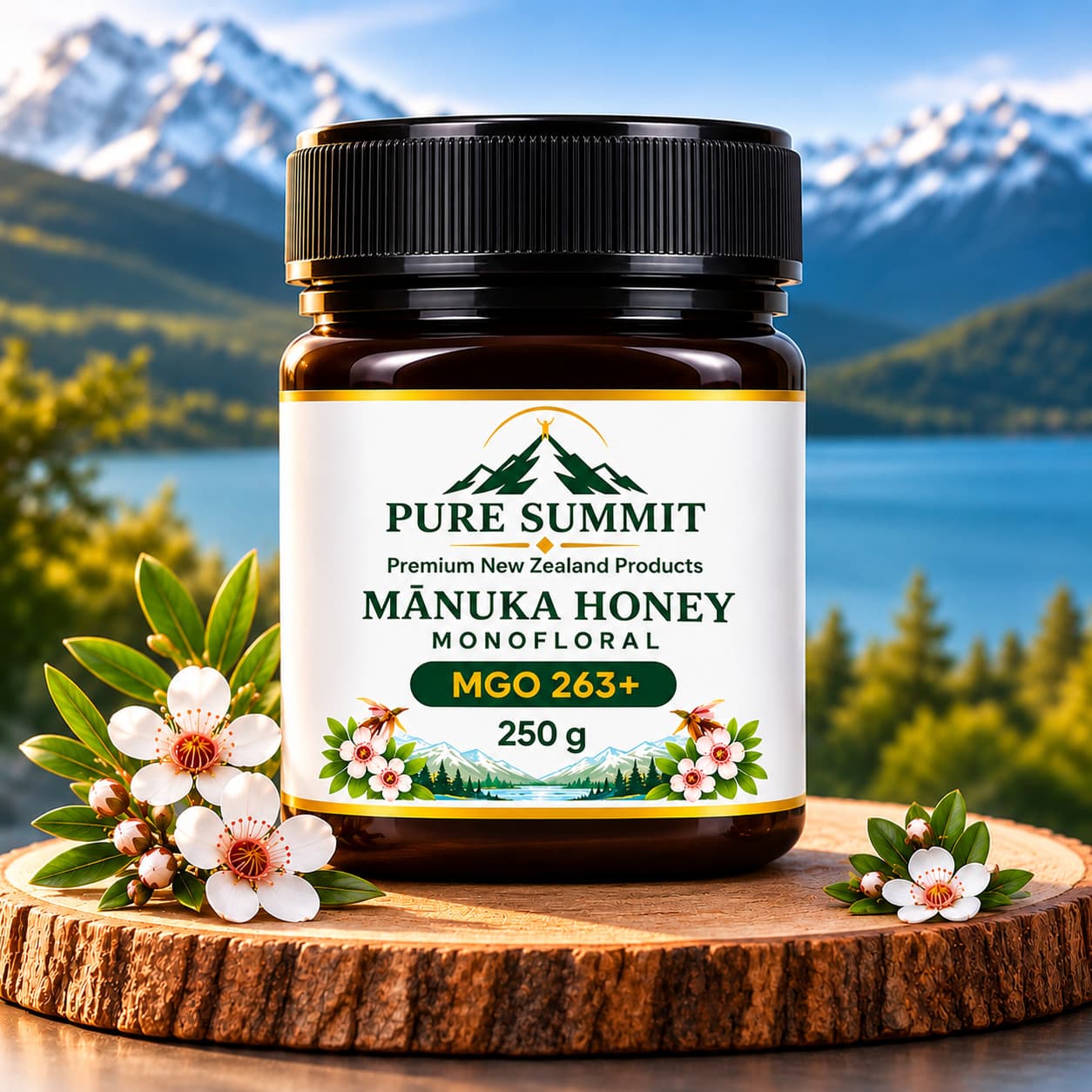
MGO is the abbreviation for it. On a jar, though, MGO is not being used as a name. It is being used as a quantity. When a label says MGO 263, it means there is at least 263 milligrams of methylglyoxal in every kilogram of that honey.
So the word does double duty. In a sentence about chemistry it is a substance. On a label it is a concentration, written without its unit because the number is doing the work. That is the whole of the difference, and it is why the two words seem interchangeable in some places and not in others.
The grade is a measurement taken in a laboratory. We cover the method in how MGO is measured.
DHA is what the methylglyoxal came from
DHA stands for dihydroxyacetone. This is the one most people have never heard of, and it is the one that explains the other two.
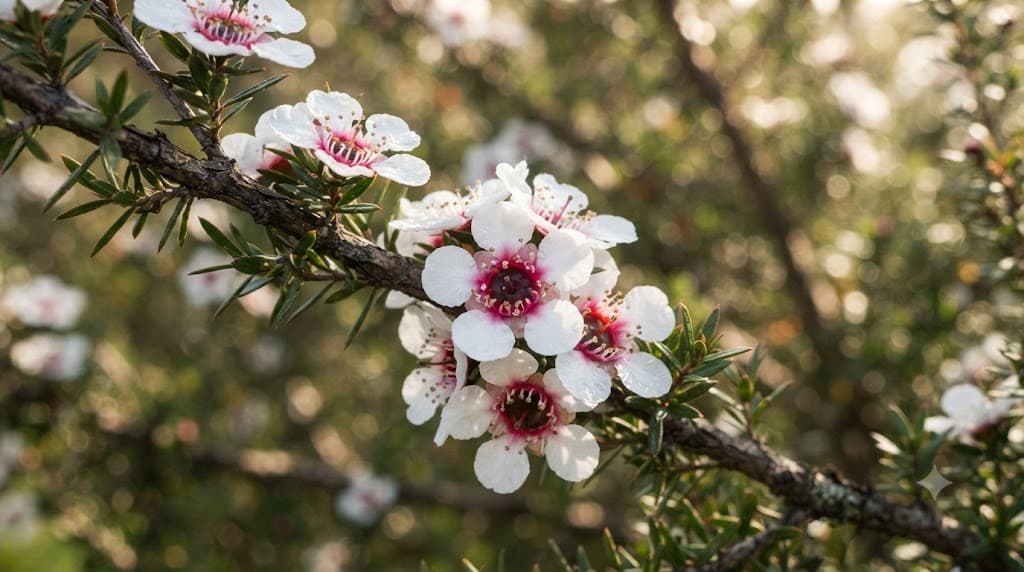
Methylglyoxal is not in the flower. DHA is. Research at the University of Waikato washed nectar off manuka flowers and found high levels of dihydroxyacetone and no detectable methylglyoxal at all. Honey freshly produced by bees was the same story: plenty of DHA, very little MGO.
The MGO arrives later. DHA converts into methylglyoxal inside the honey over time, without any enzyme involved. When the researchers added DHA to clover honey, which has none of its own, and left it to sit, it produced methylglyoxal at levels similar to manuka honey.
That work was published in Carbohydrate Research in 2009 by Adams, Manley-Harris and Molan. If you want the original, it is The origin of methylglyoxal in New Zealand manuka honey.
The three words side by side
| Word | What it is | Where you meet it |
|---|---|---|
| Methylglyoxal | A compound found naturally in manuka honey | Articles and research papers |
| MGO | Its abbreviation. On a jar, a concentration in mg/kg | The front of the jar, as a number |
| DHA | Dihydroxyacetone, the nectar compound MGO forms from | Sometimes a second figure on a label |
One compound measured, one abbreviation standing in for it, and one precursor that explains where it came from. Keeping those three apart makes most writing on the subject readable.
Why DHA matters when you are buying
It has one practical consequence. A manuka honey can be rich in DHA and still show a low MGO figure, simply because the conversion has not happened yet.
That is why a grade belongs to a point in time. The certificate behind any MGO number has a date on it for a reason. We go into what actually moves, and in which direction, in does MGO change over time.
Some labels print a DHA figure alongside the MGO one. It is a different measurement of a different compound, so the two numbers are not comparable and a high DHA figure is not a high grade.
Words on labels that are not measurements
MGO and DHA are both measurements with units behind them. A lot of the other language on a honey shelf is not. If a label leans on words like “active” or “premium” instead of a figure, there is nothing there to compare. Our guide to manuka grading works through which words on a label are measured and which are decoration.
Where our own number comes from
We buy finished, graded honey and sell it. We keep no hives and we run no tests. The MGO 263+ on our label is the figure on the supplier’s certificate of analysis, printed as it appears there. We will email you that certificate if you want to read it.
One grade, in 250g and 500g jars and in packs. See the range.
The short version
Methylglyoxal is the compound. MGO is its abbreviation, and on a label it is a concentration in milligrams per kilogram. DHA is dihydroxyacetone, the compound in manuka nectar that the methylglyoxal forms from while the honey sits. Fresh manuka honey is high in DHA and low in MGO. That is why every grade is tied to a date rather than being a fixed property of the honey.
More from the Journal
Does MGO increase over time in a jar of manuka honey?
17 November 2026Post by Alex
How is MGO measured? What a laboratory actually does to a jar of manuka
13 November 2026Post by Alex
Is MGO 263+ a high grade? Where it sits on the manuka scale
10 November 2026Post by Alex
Manuka Honey Grading Explained: What Is Measured and How to Read Any Label
29 September 2026Post by Alex